
I’m not a pro photographer—I don’t shoot weddings every weekend or get paid by clients. I just love photography: wildlife, kids’ sports games, sunsets, trips, and anything else that catches my eye.
When I picked up the Canon R7, I wasn’t hunting for a “pro cinema hybrid powerhouse.” I wanted a camera that was fast, reliable, and wouldn’t be outgrown in a year, all without breaking the bank.
The Lowdown on the R7
After using it for a bit, here’s the scoop: the R7 is super capable, sometimes a bit frustrating, but overall, it’s a solid upgrade for anyone stepping up from beginner gear. It does a lot right, though there’s one significant flaw to be aware of—rolling shutter. Beginners might love it, but seasoned pros could find it annoying. And just a heads-up: if you compare the R7 to the R6 or R5, you’ll see a big jump in price. I paired the R7 with the Canon RF 100-500mm f/4.5–7.1L IS USM lens, which is fantastic for wildlife photography.
Size and Handling
When you first hold the R7, it doesn’t feel like a bulky pro body, but it doesn’t feel cheap either. It’s compact without being cramped, and the grip is deep enough to feel secure, even with longer lenses. Coming from a Canon DSLR, I was surprised by how small it is—thank you, mirrorless design!
If a camera is heavy or awkward, you’re less likely to take it with you. I really like how the R7 feels in my hand, and while I’ve seen some negative reviews about its size, I think it’s great. Just keep in mind, you can’t add an extra handle and battery like you can with the R6 or R5.
It powers up quickly, buttons respond right away, and the menus are snappy—no lagging here. It’s light enough that I can toss it in my bag without overthinking it, although the lens size can make a difference. Overall, everything feels a touch nicer and more up to date compared to older DSLRs or entry-level mirrorless cameras.
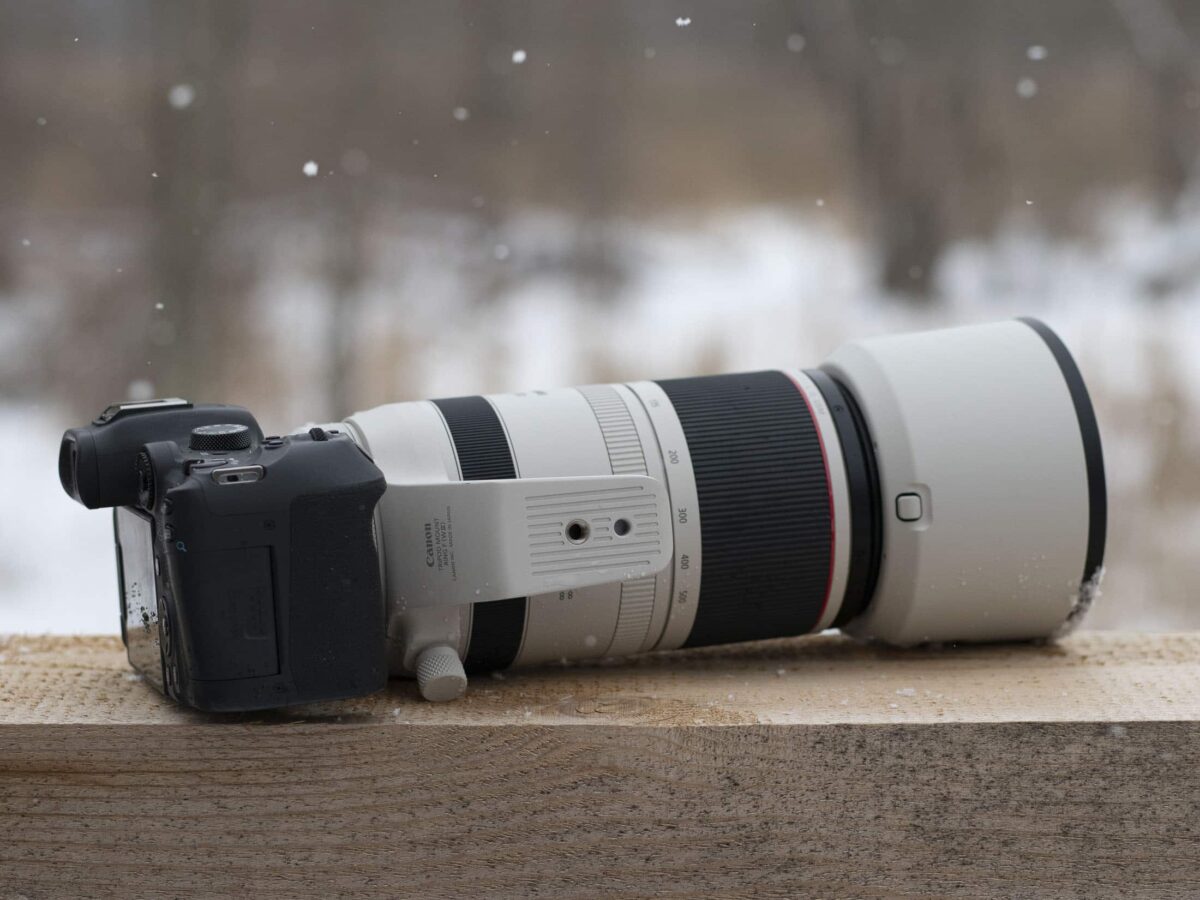
Image Quality
The 32.5MP sensor delivers impressive detail. I noticed this right away while editing photos on my computer; even when I crop heavily, I still get usable images, which is great for wildlife or sports when getting closer isn’t an option.
Colors come out looking natural straight from the camera. Skin tones are realistic, and landscapes usually don’t need much tweaking. Most of the time, I’m just making small adjustments instead of trying to rescue bad shots.
Low light performance is decent—not amazing, but realistic. It’s still an APS-C sensor, so it won’t match full-frame cameras in dark settings, but it holds up just fine for everyday use. With a good lens, you can comfortably shoot indoors without your photos looking grainy.
Basically, if something looks bad, it’s usually my fault, not the camera’s.
Autofocus is a Step Above DSLR
The autofocus is probably the biggest upgrade. Coming from older gear, it feels like a dream! It locks on quickly and keeps track of subjects like a pro. Eye detection is surprisingly reliable.
For kids running around, pets, birds, or sports, the R7 really shines, resulting in way more sharp shots. The APS-C crop factor is a bonus too; your lenses feel longer, making it easier to frame distant subjects without spending a fortune on giant glass.
Speed and Burst Shooting
The burst rate? Kind of ridiculous! Just hold down the shutter, and it keeps firing. The first time I tried it, I accidentally snapped about 40 photos of if the same person. Of course this is in electronic shutter mode.
But for sports and action, this feature is fantastic—you can capture perfect moments instead of hoping your timing is spot on. The downside? You’ll have a lot of photos to sort through later, some rolling shutter, and your memory cards will fill up faster. But personally, I’d rather have too many shots than miss the moment.
Controls and Stabilization
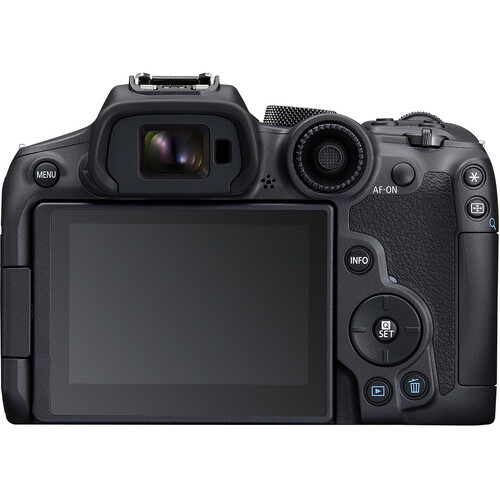
Canon usually nails ergonomics, and the R7 mostly follows that trend. The grip is comfy, buttons are where you expect them, and the flip-out screen is super handy for low angles or tricky positions.
The combined joystick/control wheel setup on the back is a little quirky but nothing too crazy. It took me a few days to get used to it, but now I barely notice it. Overall, it feels like a camera made for shooting, not just for looking good on paper.

The in-body image stabilization makes a noticeable difference, too. You can shoot handheld at slower shutter speeds and still get sharp photos. For travel or casual shots, it really saves a lot of images that might otherwise be blurry. It won’t freeze moving subjects, but for everyday photography, it’s one of those features you start to rely on without even realizing it.
Rolling Shutter is the Downside
Now, onto the part you shouldn’t overlook: rolling shutter is the R7’s biggest weakness. When using the electronic shutter, the sensor reads the image line by line, which can lead to distortion with fast-moving subjects or quick pans.
If you’re shooting sports or anything that moves quickly, you might end up with some weird-looking photos. Think bike wheels, soccer balls, even a birds wings. The first time it happened to me, I thought there was something wrong with my lens! But nope—just rolling shutter.
Here’s a simple fix to avoid running shutter:
- Use the mechanical shutter for action shots.
- Use the electronic shutter when you need silence or when motion is slow.
Mechanical shutter solves most of the problem while still giving you great speed, just without the distortion. Electronic shutter is fine for portraits, landscapes, quiet environments, or slow subjects—just don’t treat it as the default for everything. Mechanical shutter does not offer the same burst rate.
It’s not a dealbreaker for most people, but it is something to manage. For a professional selling images this is a dealbreaker. If you ignore it, you might miss some shots. If you work around it, it’s totally manageable. I just wish it wasn’t something we had to think about.
Video Performance
I’m not a big video shooter, but the R7 handles basic video really well. The flip screen, autofocus, and stabilization make it easy to grab clips without needing extra gear. For family videos, travel clips, or YouTube-style stuff, it works great.Just like with photos, rolling shutter can be an issue if you whip the camera around too quickly, so smoother movements are better.
Who This Camera Is For
I’d recommend the R7 to:
- Hobbyists upgrading from entry-level cameras.
- Wildlife and bird photographers on a budget.
- Parents capturing sports and events.
- Travel photographers who want reach without heavy gear.
- Anyone seeking fast autofocus without going full pro.
It feels like a camera you can grow into without needing an upgrade right away.
Final Thoughts on the Canon R7
After a couple of months of use, the Canon R7 feels like a dependable tool. As I dive deeper into sports photography and even night games, I might upgrade to the R6 Mark II or R6 Mark III this spring, mainly due to low-light issues and rolling shutter concerns.
It’s fast, sharp, and has excellent autofocus. The crop sensor gives you extra reach, and the internal stabilization is super helpful. The main downsides are the low-light performance and rolling shutter when using electronic mode, but once you get the hang of switching settings, it’s manageable. At the end of the day, it doesn’t feel like a “beginner” camera or an overly complicated pro body—it strikes a nice balance, being powerful without being overwhelming.
For amateur photographers looking for solid results without the hassle, the R7 is a strong choice. I’ve seen some amazing photos from users in the R7 community. For 98% of people, the camera itself won’t be the issue—just pair it with a solid L-series lens, and you’re all set!
